
Current numbers, September 30, 2026
Condos listed on the MLS right now, refreshed every six hours.
| Neighborhood | For sale | Median asking | Median $/sq ft | For rent | Median rent |
|---|---|---|---|---|---|
| Downtown LA | 336 | $587K | $616 | 168 | $3,200/mo |
| Hollywood | 68 | $695K | $596 | 102 | $4,023/mo |
Medians appear only when enough listings publish the figure; a dash means too few to report. Full neighborhood reports
Downtown LA and Hollywood are the two neighborhoods most often shortlisted together by buyers who want urban, walkable, transit-served Los Angeles — and treating them as interchangeable is the fastest way to buy the wrong one. They share Metro's B (Red) Line, genuine street life and price points below the Westside, but the products, the daily texture and the bets they represent are distinct. Here is the honest comparison, grounded in our neighborhood research.
Two urban cores, two different bets
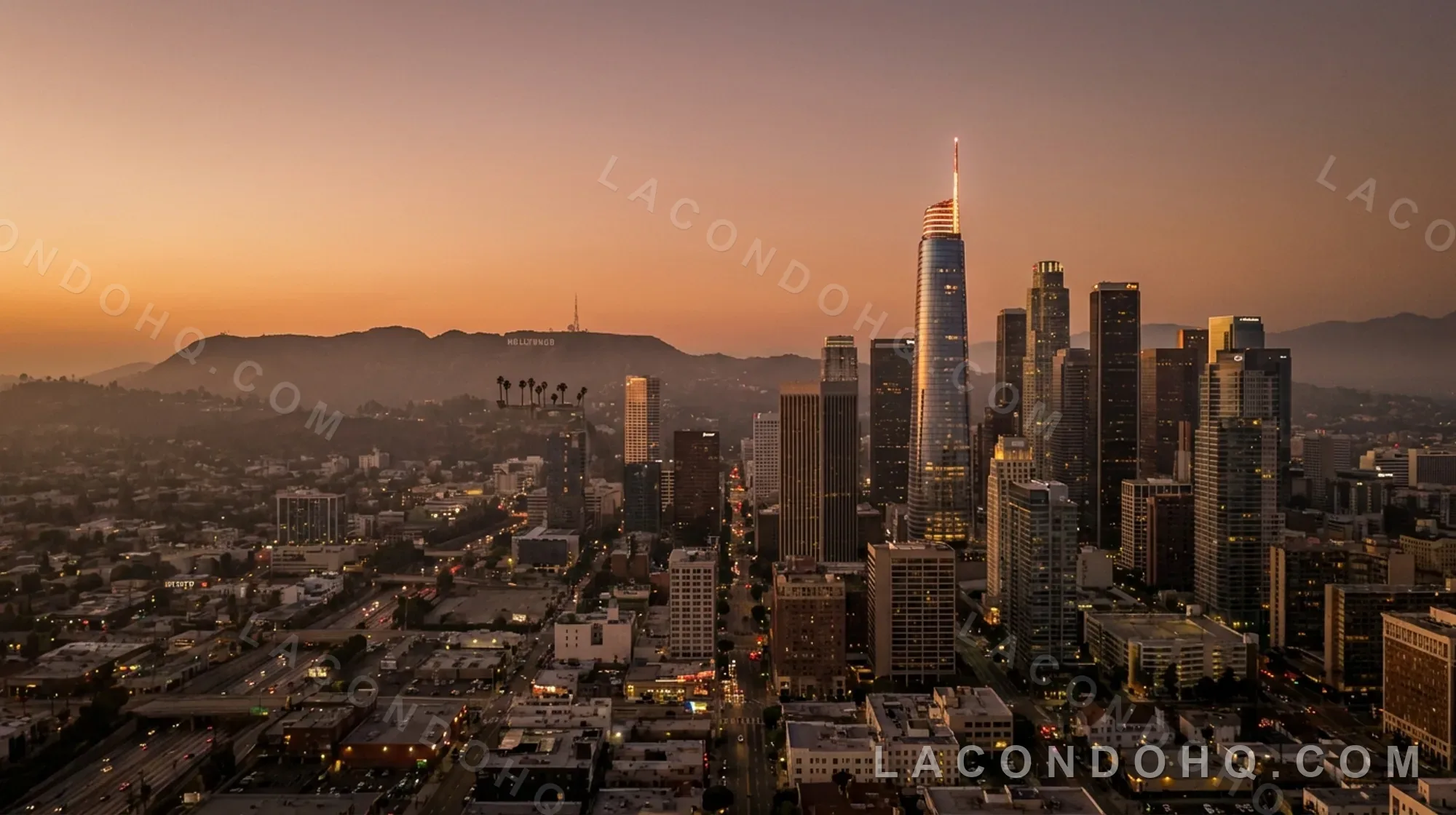
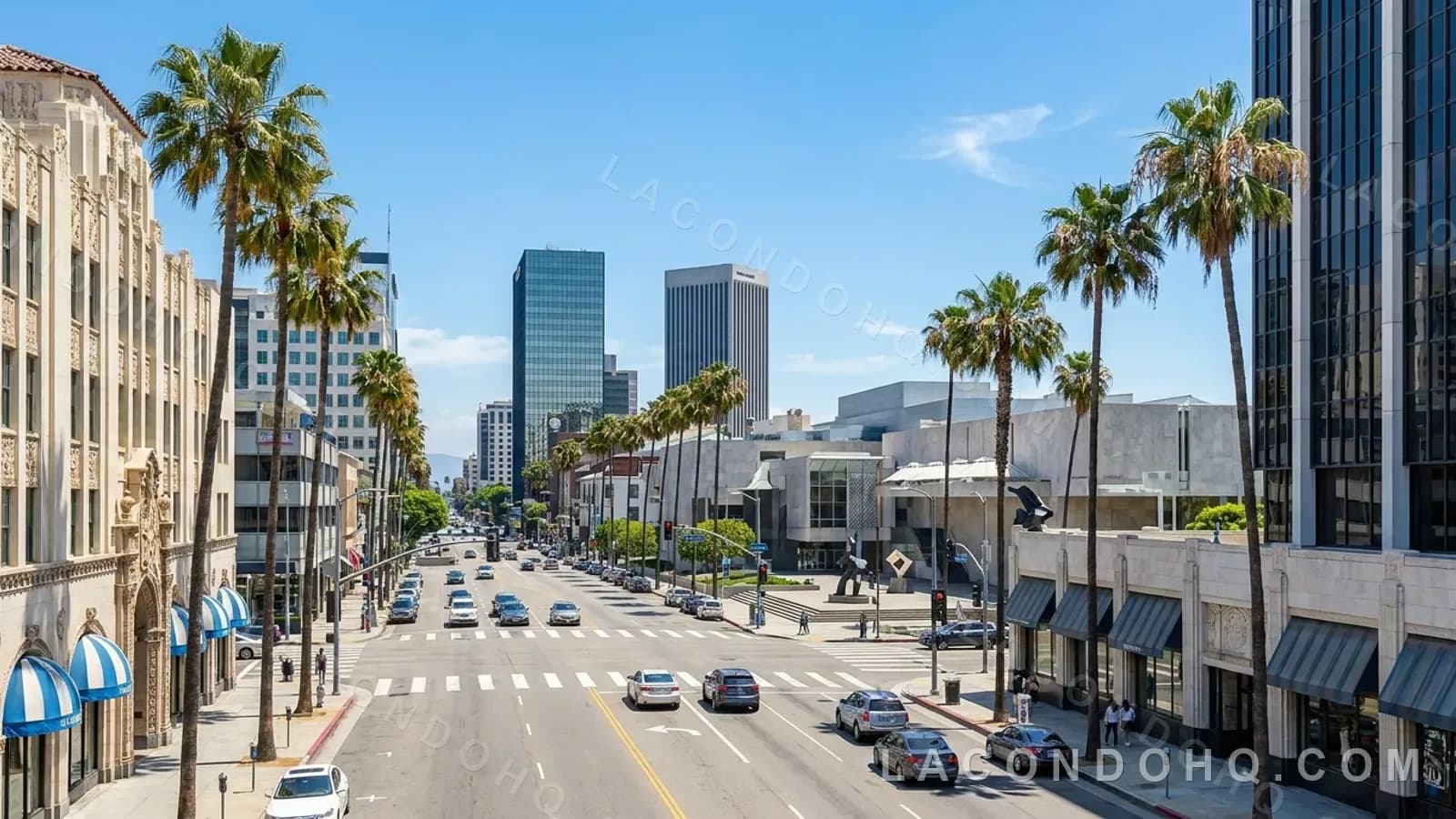
Downtown is LA's reinvented center: the densest, most walkable neighborhood in the city, where South Park's glass towers, the Historic Core's converted lofts and the Arts District's warehouses sit minutes apart, with the Grand Avenue arts corridor — Walt Disney Concert Hall, The Broad, MOCA — and Crypto.com Arena anchoring its cultural and entertainment life. Hollywood is the entertainment capital's namesake district: a walkable boulevard core of historic theaters, the Walk of Fame and a rising skyline of newer towers, backed by the Hollywood Bowl and Runyon Canyon in the hills above. DTLA's bet is on the continued maturation of a big-city core; Hollywood's is on a globally branded corridor that keeps redeveloping.
The honest numbers
As of September 26, 2026, the median asking price on condo listings in Downtown LA was about $589,000, roughly $618 per square foot (/market-reports/downtown-la), across 334 condos listed for sale on LA Condo HQ, by far the deeper pool of the two. Hollywood's median asking price was higher at about $691,000, but its price per square foot was slightly lower, roughly $598 (/market-reports/hollywood), across 67 listings. In other words, Downtown has the lower entry price and far more to choose from, while a Hollywood listing tends to be larger for the money. These are asking prices, not closed sales, and the citywide picture is at /market-stats. Neither approaches Westside pricing, which is precisely why both appear on value-minded urban buyers' lists. The spread between them is real but not decisive; product and lifestyle should drive the choice.
Transit and the car-light life
Both neighborhoods genuinely support car-light living, which remains rare in Los Angeles. Downtown is the region's transit hub — Metro rail lines converge on its core, with Union Station at its edge — and it is the single most walkable neighborhood in the city by our research. Hollywood carries three B Line stations of its own at Highland, Vine and Western, one-seat rides to both Downtown and the Valley, and many of its newer towers were built explicitly for car-light residents near those stations. If daily transit range across the whole region matters most, Downtown wins; if a contained walkable corridor with rail access suffices, Hollywood matches it.
The housing stock could not be more different
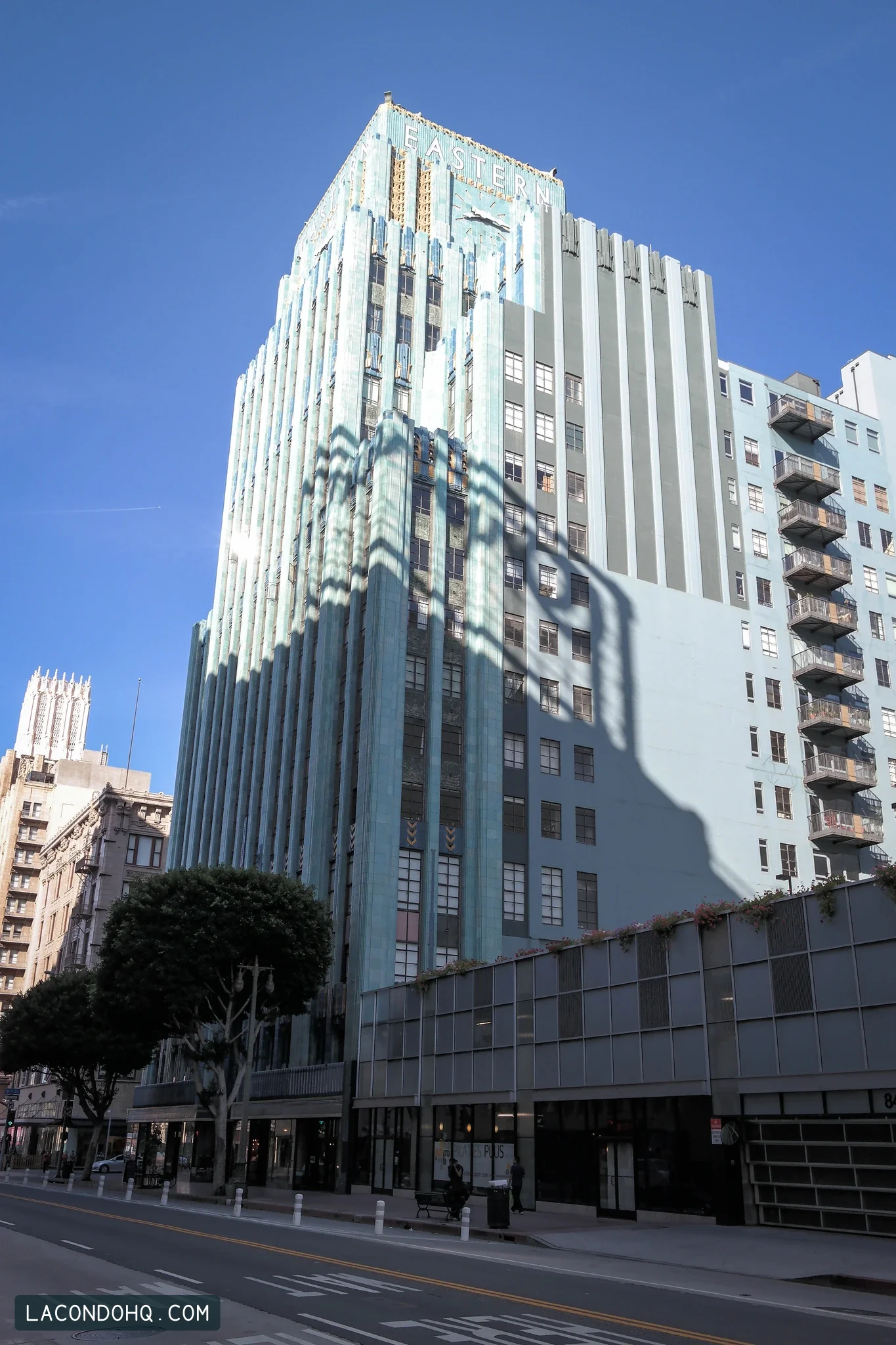
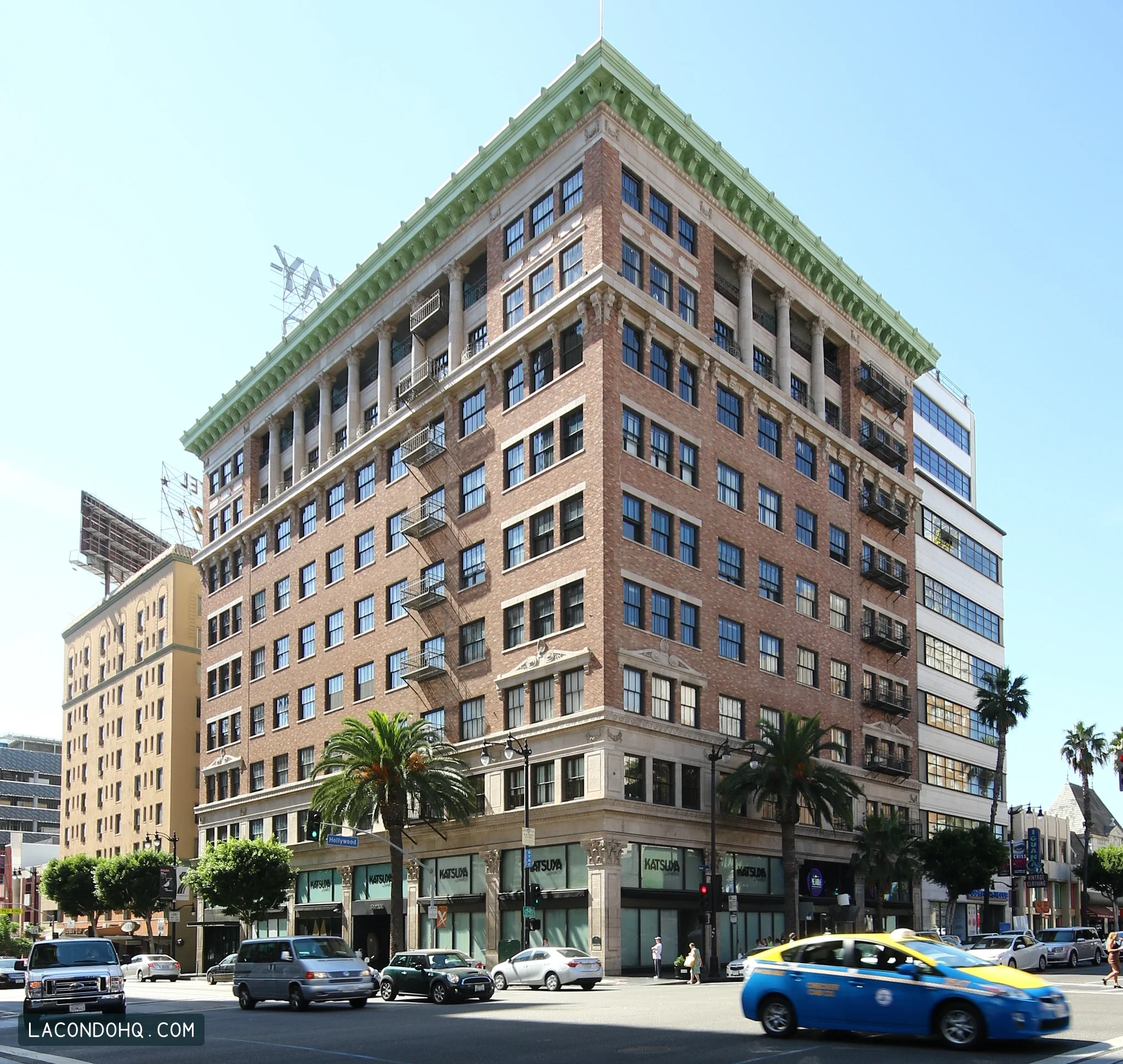
Compare individual ownership offerings rather than treating the whole residential skyline as condo inventory. Downtown’s profiles include Perla and Eastern Columbia; Hollywood includes the Broadway Hollywood conversion. Hollywood Proper Residences is an earlier name associated with the property now operated as Sky Hollywood, which advertises apartments and penthouses for rent. It should not be presented as a new condominium purchase option.
Which buyer fits which
Choose Downtown if you want maximum walkability and transit, the arts-and-food density of a true city center, loft character at scale, or the lowest median entry price and deepest selection among LA's cores — and if you are comfortable that downtown districts evolve block by block. Choose Hollywood if you want the entertainment industry at your door, hills and outdoor escapes like Runyon Canyon minutes away, a more contained and branded corridor, and a stock where historic charm and new construction sit side by side. Both markets appear building by building in our directory with live listings; tour one afternoon in each and the abstraction usually collapses into a clear preference.
Questions buyers ask about Downtown LA and Hollywood
Which is cheaper, Downtown or Hollywood?
Downtown on the median, Hollywood per square foot. As of September 26, 2026, the median asking price on Downtown LA condo listings was about $589,000, roughly $618 per square foot, against about $691,000 and roughly $598 per square foot in Hollywood. Downtown also had far more condos listed for sale that day, 334 against 67. These are asking prices, not closed sales, and neither approaches Westside pricing.
Which has better transit?
Downtown is the region's transit hub, with Metro rail lines converging on its core and Union Station at its edge, and it is the single most walkable neighborhood in the city by our research. Hollywood carries three B Line stations of its own at Highland, Vine and Western, giving one-seat rides to both Downtown and the Valley, and many of its newer towers were built explicitly for car-light residents near those stations.
How should I compare the housing choices?
Begin with the individual building and its legal ownership form. Perla, Eastern Columbia and Broadway Hollywood have research profiles. The property formerly known as Hollywood Proper Residences is now marketed by Sky Hollywood as rental apartments and penthouses, so it is a different offering from a condominium purchase.
Can I get historic property-tax savings in either?
In Hollywood, some historic structures are eligible for Mills Act property-tax savings per our research, and Downtown has designated historic buildings that participate too. Eligibility is building-specific, so verify with the county assessor and the HOA rather than relying on a listing remark.
Which should I choose?
Downtown if you want maximum walkability and transit, the arts-and-food density of a true city centre, loft character at scale, or the lowest median entry price and deepest selection among LA's cores, and you are comfortable that downtown districts evolve block by block. Hollywood if you want the entertainment industry at your door, hills and outdoor escapes like Runyon Canyon minutes away, and a more contained, branded corridor where historic charm and new construction sit side by side.
Sources and review scope
Sources checked 2026-09-06. The notes identify which facts each publication supports.
- Published property identity — Hollywood Proper Residences
The former Columbia Square Living website redirects to Sky Hollywood, whose current operator identifies 1550 North El Centro Avenue and advertises apartments and penthouses for rent. Hollywood Proper Residences is an earlier name associated with this property; the current published operation is rental housing.

Written by
LA Condo HQ
Real-estate research publisher
LA Condo HQ is published by Eltherion, LLC to help readers research Los Angeles buildings, neighborhoods and real-estate decisions. We publish source notes, ownership guides and practical tools, and help readers request introductions to licensed partner agents. We are not a licensed brokerage.


_(cropped).jpg)